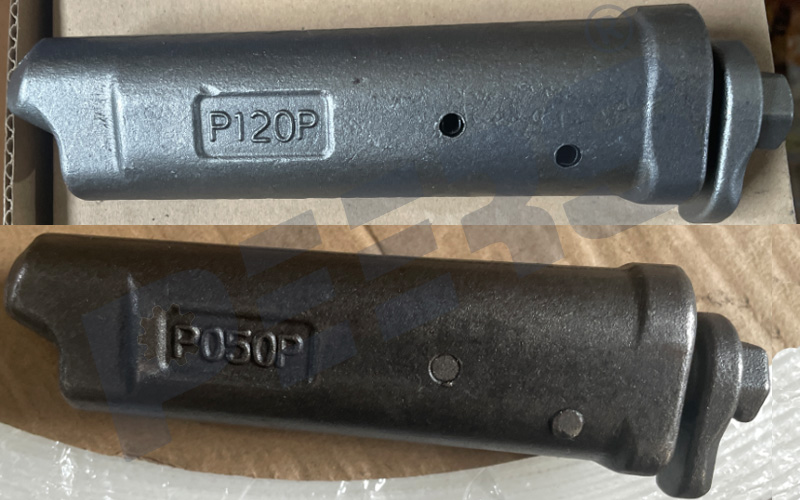
Excavator bucket teeth, also known as Ground Engaging Tools (GET), are sacrificial wear parts designed to protect the bucket adapters. The pin lock and retainer system is the critical component that secures each tooth to its adapter. Understanding these systems is essential for safe and efficient maintenance.
Types of Locking Mechanisms
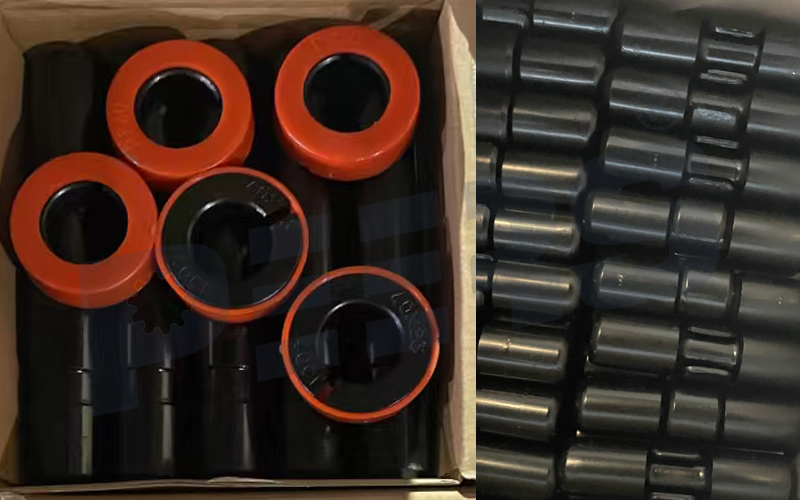
1.Pin-Type Systems:are the most common. They use a steel pin inserted through aligned holes in the tooth and adapter, secured by a retainer on the opposite side. Within this category, pins can be installed vertically (common on smaller excavators for easy removal) or horizontally (preferred for heavy-duty operations above 20 tons for greater durability).
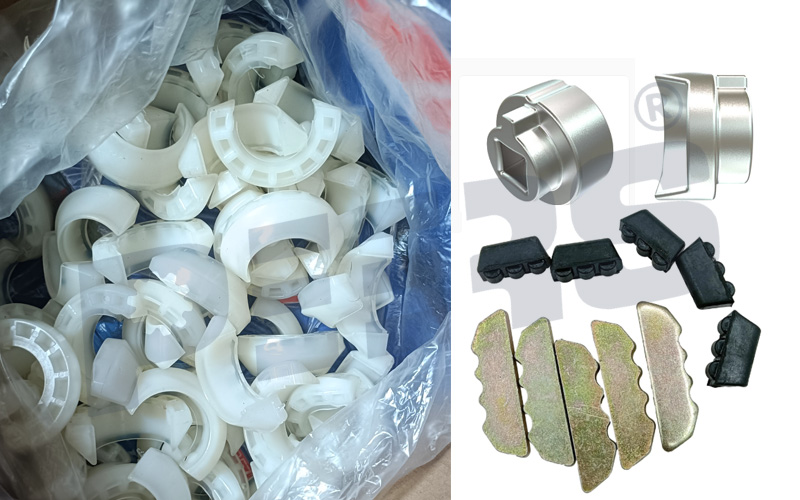
2.Wedge-Type Systems: use a combination of rubber and steel designed to expand and lock the tooth in place. Some advanced systems, like the ESCO Super V, feature a vertical-lock V-shaped pin that drops into a matching recess, providing self-centering retention under extreme impact loading.
3. Retainer Options: vary by pin type and include rubber ring locks, steel spring locks, and plate locks. The Volvo system, for example, uses a steel retainer pre-mounted into the tooth box that requires no spring replacement during the tooth's life.
Selection Criteria
Selecting the correct pin and retainer begins with identifying your machine's tooth fitment style. Check part numbers and manufacturer marks on existing components. Use calipers and gauges to measure pin diameter and length precisely—wrong sizes cause premature wear and component failure. Always replace both the pin and retainer together to avoid fitment issues.
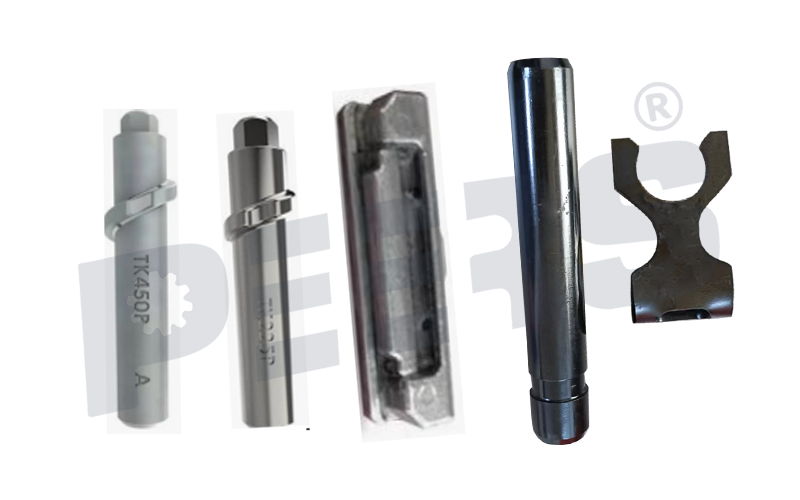
Replacement Procedure
1. Prepare safely: Park on level ground, lower the bucket, engage safety locks. Wear gloves, safety glasses, and steel-toe boots.
2. Clean thoroughly: Power wash all surfaces, especially contact points on the adapter.
3. Remove the old pin: Use a hammer and punch to drive out the locking pin. Some pin types have special tools available for easier removal from above.
4. Inspect and clean the adapter: Remove all dirt, mud, and rust.
5. Install the new tooth: Slide it onto the adapter tip, align the through-holes.
6. Secure with new pin and retainer: Insert the pin and lock it with a new retainer.
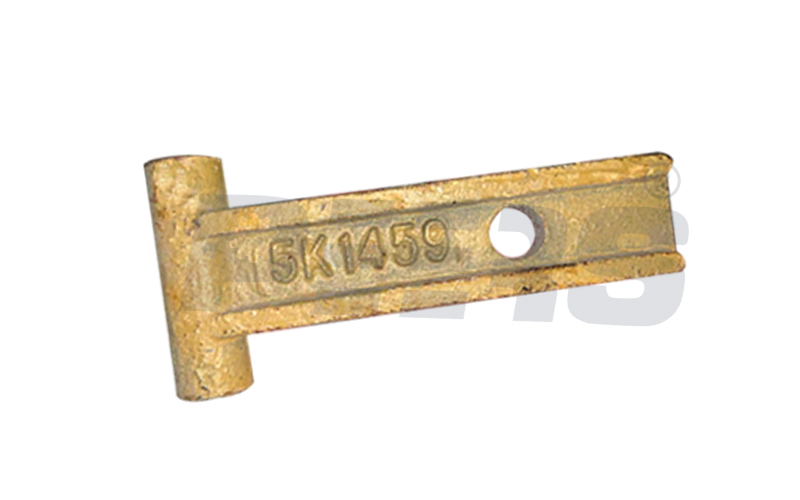
Replace teeth in pairs to avoid uneven wear, and check tightness after the first few hours of operation.

WhatsApp : +86-15060986377
Email : nick@peersparts.com
Email : info@peersparts.com
Skype : nick.huang13